Sam Berger · 6 October 2026
The Mechanics of Safeguarding Shipments Through Specialized Armament Configurations in Global Maritime Transport
Global maritime transport relies on layered security measures to protect cargo from piracy adn armed robbery, and specialized armament configurations form one component of those defenses according to industry reports. These setups typically combine trained security personnel with approved weapon systems that meet international and flag-state regulations. Data from the International Maritime Bureau indicates that incidents in key chokepoints remained elevated through late 2025, prompting continued investment in such configurations as of October 2026.
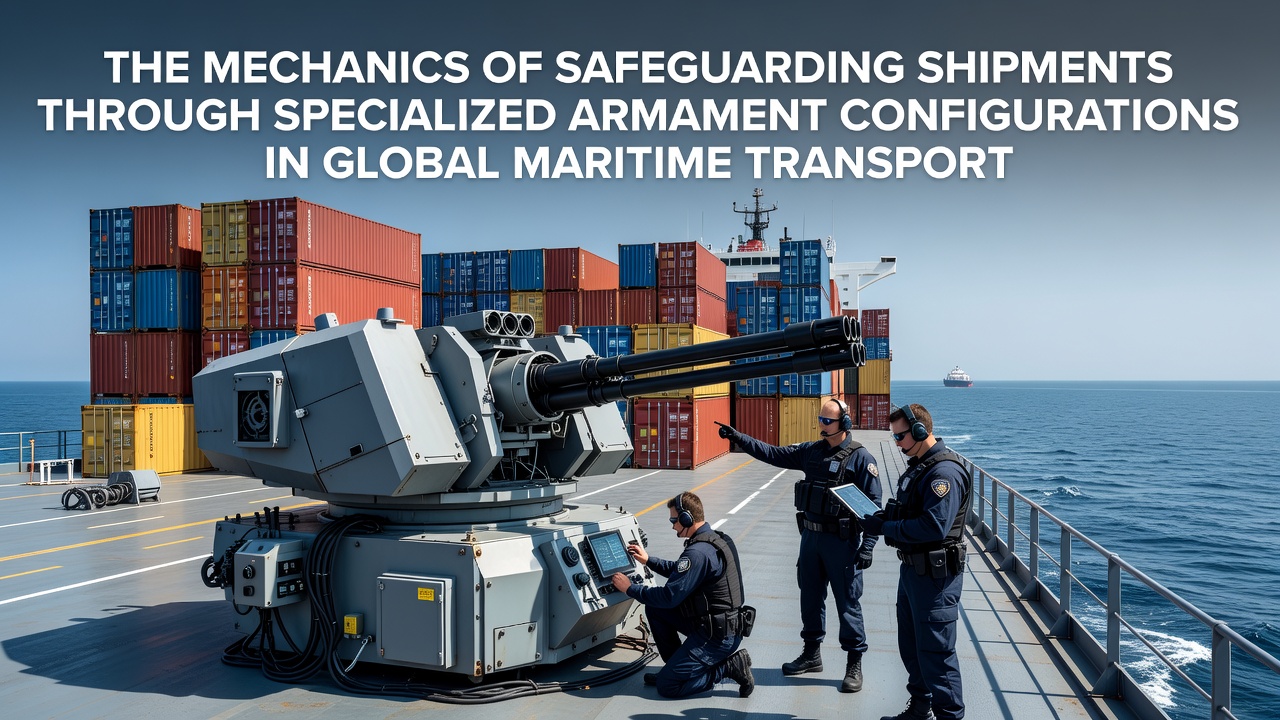
Armament options on merchant vessels usually fall into two categories: embarked armed security teams and vessel-mounted non-lethal or lethal systems that require specific approvals. Teams often carry rifles and sidearms stored in locked armories while mounted systems may include remote weapon stations or stabilized platforms designed for rapid deployment yet compliant with port entry rules. Observers note that the choice depends on the trading route, the flag registry, and the insurance requirements set by protection and indemnity clubs.
Regulatory Frameworks Governing Deployment
International rules require ship operators to obtain permits from both the vessel's flag state and the coastal states along the intended route. The International Maritime Organization has issued guidance that emphasizes risk assessments, command-and-control procedures, and post-transit reporting. National authorities in different regions enforce additional layers; for example, the United States Maritime Administration maintains vetting lists for security providers, while the European Maritime Safety Agency tracks compliance data across member fleets.
Flag states such as Liberia and Panama have published detailed circulars that specify storage standards, ammunition accounting, and use-of-force protocols. These documents require that weapons remain under the control of licensed security personnel and that all incidents receive immediate notification to naval coordination centers. Research from maritime law centers shows that consistent documentation reduces liability exposure during insurance claims.
Operational Mechanics and Equipment Standards
Before departure, security teams conduct pre-transit briefings that cover identification of suspicious approaches, escalation ladders, and coordination with the ship's master. Weapons are issued from sealed containers only after the vessel enters designated high-risk areas, and daily logs track serial numbers and ammunition counts. Remote weapon stations, when fitted, integrate with the bridge radar and electro-optical sensors so that operators can assess threats at extended ranges before any escalation.
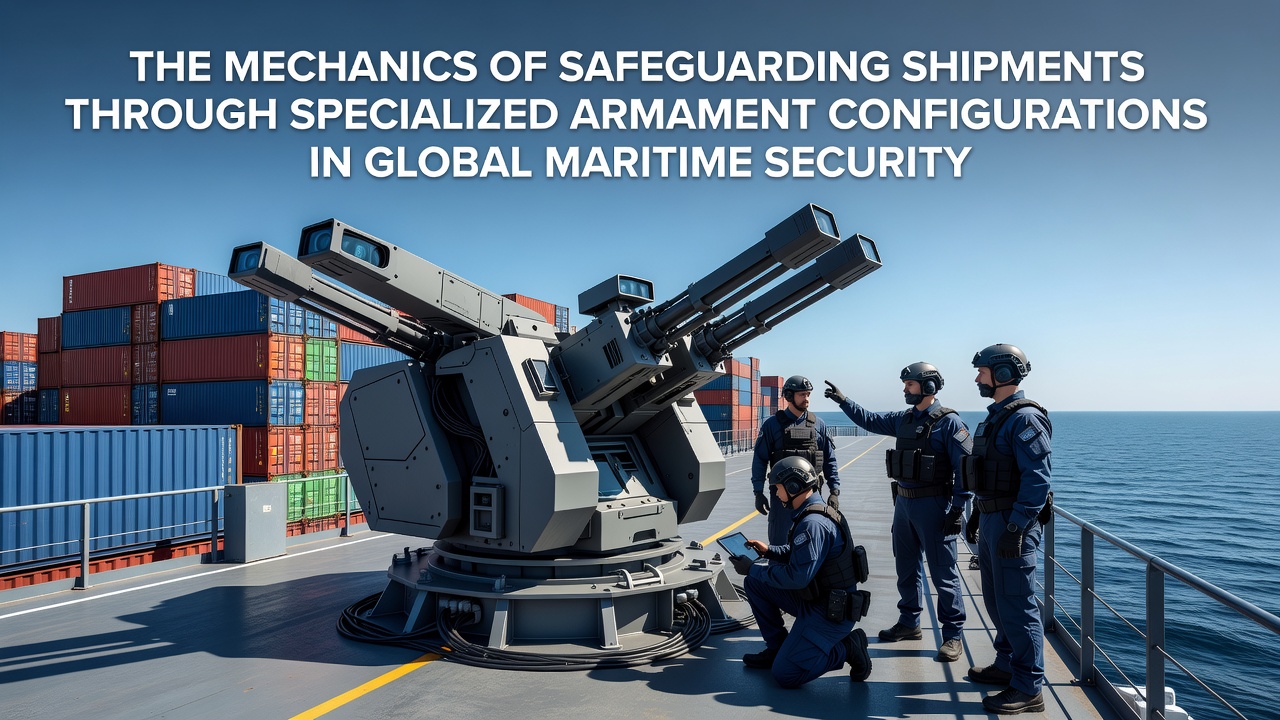
Maintenance cycles follow manufacturer schedules and classification society rules, with inspections often performed during scheduled dry-dockings. Spare parts and calibration equipment travel with the vessel to avoid delays in remote ports. Data collected by classification societies reveals that properly maintained systems experience fewer mechanical failures during extended patrols.
Geographic Variations in Practice
Routes through the Western Indian Ocean continue to see the highest concentration of armed security deployments, yet operators also apply similar measures in parts of the Gulf of Guinea and the Singapore Strait when threat assessments warrant. Australian authorities require advance notification for any weapons entering their exclusive economic zone, whereas Canadian regulations focus on post-arrival declarations and secure off-loading procedures. These differing approaches illustrate how local legal environments shape the exact configuration chosen for each voyage.
Industry associations such as BIMCO publish standard contract templates that allocate responsibilities between the shipowner, the security provider, and the charterer. These templates address issues including the chain of command during an engagement and the handling of evidence after a defensive action. Reports compiled by regional information-sharing centers show that vessels following these templates achieve faster clearance through subsequent port calls.
Training and Certification Requirements
Security personnel must complete approved courses that cover maritime law, first aid under fire, and de-escalation techniques. Certification bodies issue cards that remain valid for limited periods, after which refresher training becomes mandatory. Flag-state audits frequently include reviews of training records, and non-compliance can result in denial of future permits. Studies conducted by maritime training institutes indicate that crews with recent certification demonstrate shorter response times during simulated boarding scenarios.
Conclusion
Specialized armament configurations continue to evolve alongside changes in threat patterns and regulatory expectations. Operators that maintain thorough documentation, adhere to flag-state approvals, and coordinate with regional reporting centers position their vessels for safer transits. Ongoing data collection by organizations such as the International Maritime Organization and national maritime authorities supplies the evidence base that guides future adjustments to these protective measures.