Amir Perry · 22 September 2026
Adaptive Defense Strategies in Modern Maritime Logistics: Examining Turret Configurations for Enhanced Cargo Safety
Modern maritime logistics faces persistent threats from piracy, asymmetric attacks, and regional instability that target high-value cargo vessels, and operators have responded by integrating adaptive defense systems centered on turret configurations. These systems combine automated targeting, sensor fusion, and modular mounting to protect shipments while maintaining compliance with international navigation rules. Data from global shipping records shows that incidents involving cargo interference have prompted wider adoption of such technologies across major trade routes, particularly in areas monitored by bodies like the International Maritime Organization.
Threat Landscape and Operational Needs
Commercial fleets encounter evolving risks where traditional static defenses fall short, so companies deploy turrets that adjust in real time to multiple vectors of approach. Researchers at maritime security centers note that vessels operating in high-traffic corridors benefit from configurations allowing 360-degree coverage without interfering with deck operations or radar arrays. Figures compiled through 2025 indicate a measurable uptick in installations on bulk carriers and container ships, reflecting the need for scalable protection that scales with vessel size and route duration.
Adaptive elements rely on integrated radar, electro-optical sensors, and threat-assessment algorithms that prioritize incoming contacts based on speed, trajectory, and identification profiles. This setup permits non-lethal responses first, followed by graduated force options when operators authorize escalation. Observers at industry conferences describe how these layered approaches reduce crew exposure while preserving the vessel's ability to continue transit.
Turret Configuration Variants in Use
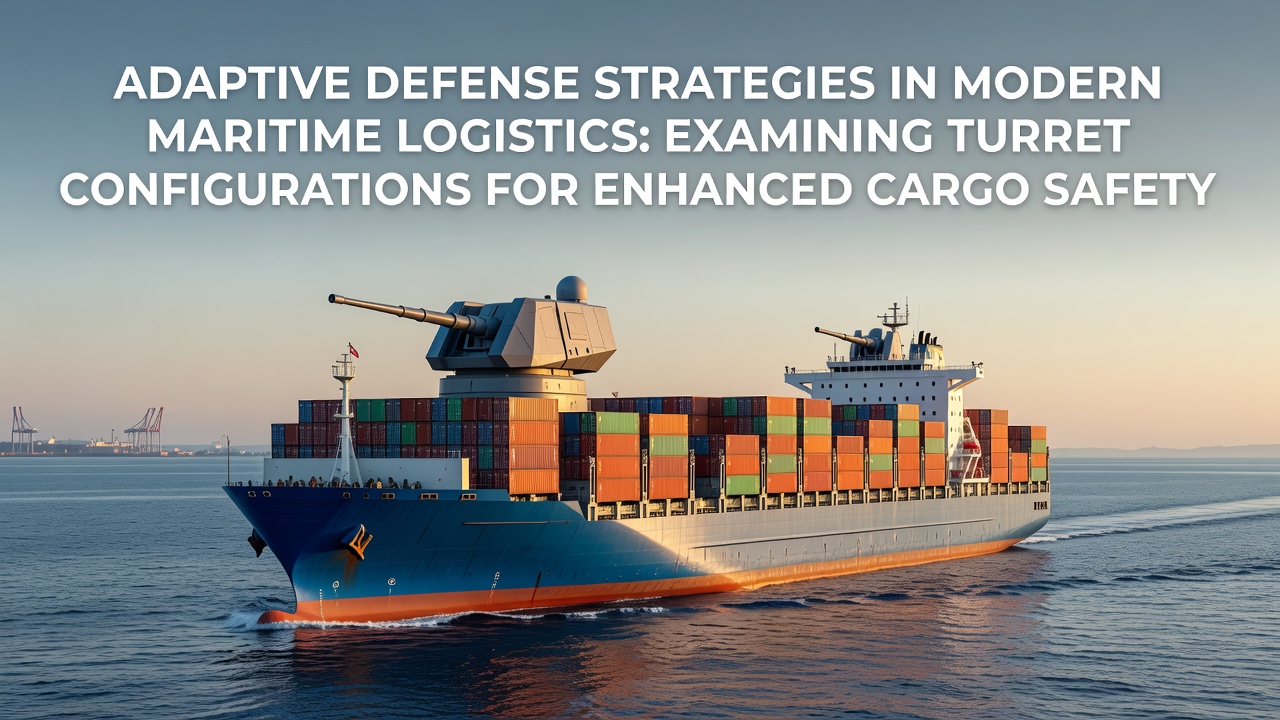
Several turret layouts have emerged to match different vessel profiles and cargo types. Fixed-ring mounts provide stable platforms for heavier caliber systems but limit elevation adjustments, whereas stabilized gimbaled turrets maintain aim during heavy seas by compensating for pitch and roll. Modular quick-swap designs allow crews to exchange sensor packages or ammunition feeds at port calls, shortening downtime between voyages.
Low-profile installations sit flush with deck structures to minimize wind resistance and visual signature, while elevated pedestal variants improve line-of-sight over stacked containers. Data from vessel refit logs reveals that operators often combine both approaches on the same ship, placing smaller-caliber units forward and larger units aft to create overlapping fields of fire. European Maritime Safety Agency documentation outlines testing protocols that verify these arrangements do not compromise stability or emergency evacuation paths.
Integration with Broader Defense Networks
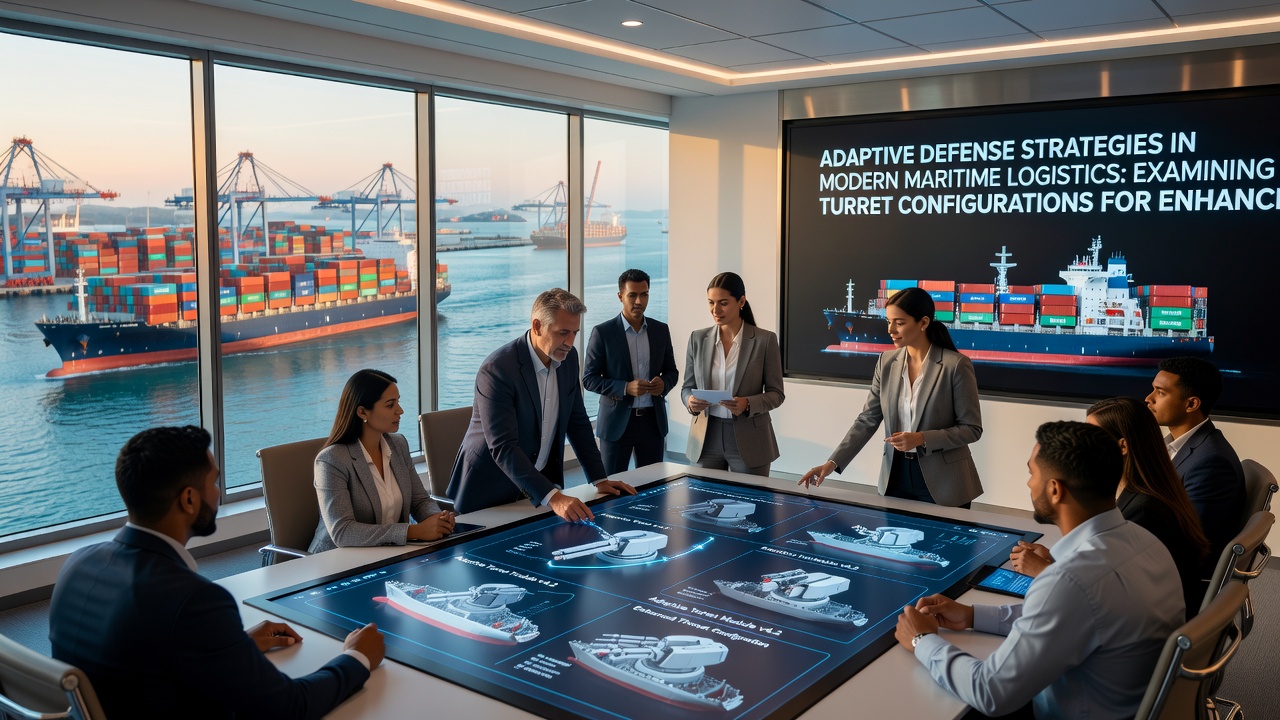
Turret systems rarely operate in isolation; instead they connect to ship-wide command networks that share data with bridge consoles, escort vessels, and shore-based monitoring centers. This connectivity enables coordinated responses across a convoy or fleet, where one vessel's detection can cue another's engagement sequence. Studies conducted by naval research groups demonstrate that such linkage shortens reaction times from initial contact to defensive action by measurable margins.
Power management and thermal regulation form additional constraints because continuous sensor operation and rapid traverse motors draw significant energy. Engineers address these demands through dedicated battery banks and auxiliary generators sized to match the turret load profile. Maintenance schedules tracked in fleet management software show that predictive diagnostics based on vibration and temperature trends reduce unscheduled repairs during extended deployments.
Regulatory and Training Considerations
International conventions require that defensive armaments remain under human control at all times, so turret software includes override mechanisms and audit logs that record every decision point. Training programs developed by maritime academies emphasize scenario-based drills that replicate multi-threat environments, allowing crews to practice de-escalation sequences alongside kinetic options. Certification records indicate that operators completing these courses achieve higher proficiency scores in simulator evaluations.
September 2026 brings scheduled reviews by the International Maritime Organization's maritime security committee, where member states plan to assess updated guidelines on automated defensive aids. These sessions will examine incident data collected from equipped vessels and evaluate whether existing training standards remain adequate as turret capabilities advance.
Case Examples from Operational Records
One fleet operating in the Indian Ocean basin reported successful deterrence of multiple boarding attempts after retrofitting stabilized turrets with acoustic and illumination modules. Another operator in the Gulf of Guinea documented reduced boarding windows following the addition of AI-assisted tracking that maintained lock on fast-approaching skiffs even in reduced visibility. These outcomes appear in aggregated industry reports rather than isolated anecdotes, underscoring consistent patterns across different regions.
Academic analyses of incident databases reveal correlations between turret-equipped vessels and lower cargo loss rates on comparable routes, though variables such as speed, escort presence, and route planning also influence results. Analysts continue to refine models that isolate the contribution of turret configurations from other protective measures.
Conclusion
Adaptive defense strategies built around turret configurations now form a documented component of modern maritime logistics security, supported by sensor integration, modular hardware, adn regulatory oversight. Ongoing data collection through 2026 and beyond will clarify which layout combinations deliver the strongest protection across varied operational contexts while meeting safety and compliance standards.